 3D Custom Patches







































Why Fake Wristbands Create Real Risk
Counterfeit access control is not a small merchandising problem. For festivals, counterfeit custom festival wristbands can break the entire security model in a single night. When fake bands enter circulation, organizers lose control over who gets in, which zones stay restricted, and how safely crowds move through the venue. What starts as a cheap imitation often turns into revenue loss, overcrowding, gate disputes, VIP breaches, and a harder job for security teams.
Best Patches has seen this problem from the production side and the event side. Buyers usually focus on color, print quality, and delivery speed first. Then, after a gate issue or a resale scam, they realize the wristband itself was supposed to function as a security product, not just a souvenir. That mindset shift matters because a band that looks “close enough” is exactly what counterfeiters rely on.
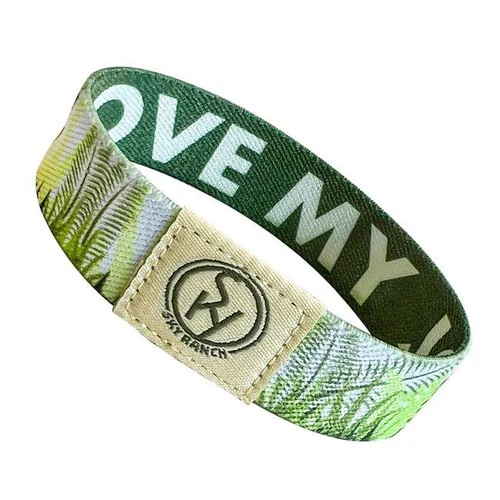
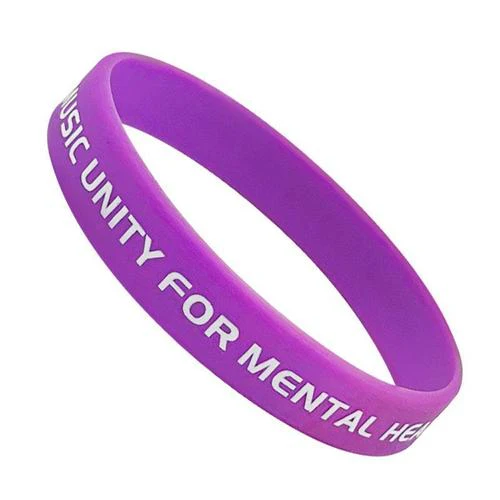
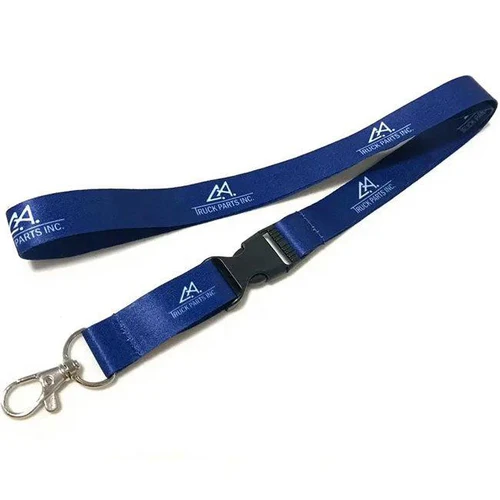
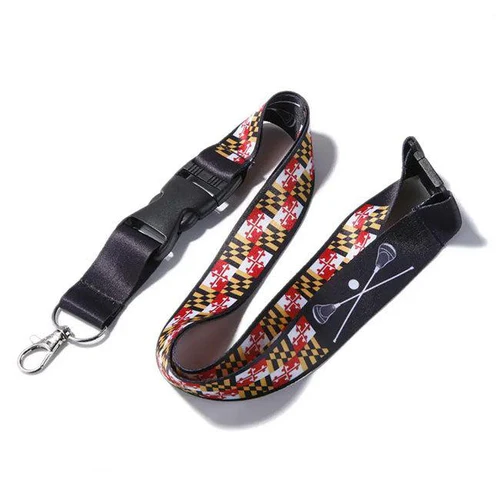
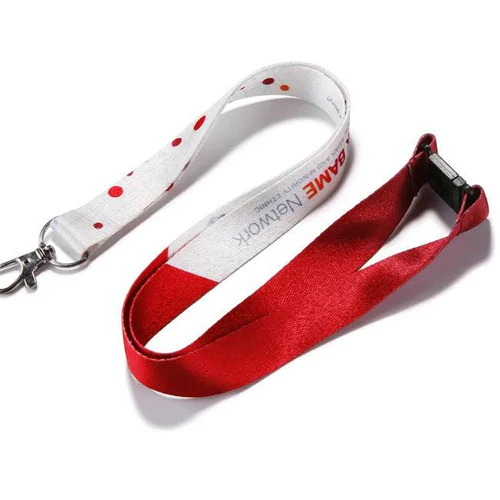
Custom festival wristbands are event-specific wearable credentials used to identify paid attendees, verify access levels, and support crowd control. They can be made from fabric, vinyl, Tyvek, silicone, or RFID-enabled materials, and they often include anti-counterfeit features such as serial codes, unique closures, woven details, or embedded chips.
If your event uses wristbands as the front line of admission control, then the wrong supplier creates a real security gap. The issue is not only whether a fake band exists. The issue is whether your staff can spot it fast enough under pressure, in low light, at a crowded entrance, with a line of frustrated guests building behind it.
Table of Contents
- What Makes Wristbands a Security Tool
- How Counterfeit Bands Enter the Supply Chain
- Revenue Leakage and Unauthorized Entry
- Crowd Safety and Emergency Control Failures
- Brand Damage, Data Exposure, and Legal Fallout
- How to Vet a Wristband Supplier
- What We Learned at Best Patches
- How to Build a Counterfeit-Resistant Program
- Final Takeaways for Festival Teams
- References
What Makes Wristbands a Security Tool
A festival wristband is often treated like a simple printed item, but operationally it works more like a physical access credential. It is part ticket, part identity marker, part crowd management device. That is why counterfeit versions create outsized damage. A fake poster hurts sales. A fake credential compromises operations.
The most effective custom festival wristbands do several jobs at once:
- Verify paid admission quickly at high-volume gates
- Separate general admission, VIP, artist, staff, and backstage access
- Reduce ticket handoff and unauthorized re-entry
- Support age verification for alcohol service when required
- Help security teams identify out-of-place guests at a glance
- Create a durable visual marker for emergency response and evacuation
That last point gets overlooked. During an incident, staff need visual certainty. If counterfeit wristbands look believable, your team loses that certainty. According to the 2024 IBM Cost of a Data Breach Report, identity misuse and weak verification continue to amplify operational risk across industries. Physical events face a similar truth: when identity markers are easy to imitate, the cost of each bad decision rises fast.
How Counterfeit Bands Enter the Supply Chain
Counterfeit wristbands usually appear through one of three routes: unauthorized overproduction, third-party imitation, or internal leakage. Unauthorized overproduction happens when an unreliable factory makes extra units beyond the approved quantity. Third-party imitation happens when a counterfeiter copies the color, weave, font, or closure style after seeing marketing photos or attendee posts. Internal leakage happens when extras, rejects, or sample runs are poorly controlled and end up in the wrong hands.
This is why low pricing alone is a dangerous buying filter. A supplier that cannot explain how it handles artwork files, quantity reconciliation, production overruns, and destruction of defective stock is not selling a secure credential system. It is only selling material.
“At festival gates, the most expensive problem is not a slow line. It is a fast mistake. A counterfeit credential that passes visual inspection can put the wrong person in the wrong space for hours before anyone catches it.”
According to U.S. Customs and Border Protection updates published in 2024, counterfeit goods remain a major enforcement issue with a high estimated retail value across sectors. Events are not isolated from that trend. Any product that grants status, access, or resale value becomes a target, and festival credentials check all three boxes.

Revenue Leakage and Unauthorized Entry
The first major security risk is the most immediate one: fake bands let unpaid guests into paid spaces. That sounds obvious, but the consequences go beyond a few lost tickets. Unauthorized entry affects staffing ratios, beverage inventory, restrooms, transportation timing, and sponsor deliverables tied to attendance. If a VIP enclosure was sold based on capped capacity, every fake band erodes that promise.
Counterfeit bands also fuel secondary abuse. A fake general admission band may be used as a base for visual alteration. A copied artist or staff band can help someone bypass bag checks or enter protected service corridors. If your team relies too heavily on color alone, counterfeiters only need to get one detail right.
Common signs that revenue leakage is already happening include:
- Gate scanners show mismatched counts versus visible crowd volume
- VIP areas feel over capacity despite controlled ticketing
- Security sees inconsistent print sharpness or closure types on similar bands
- Bar or merchandise demand exceeds forecast without a matching ticket spike
- Guests report buying “legit” bands from unofficial social sellers
At Best Patches, we once reviewed a rush replacement order after a regional music event reported suspicious VIP overcrowding on opening day. The organizer had sourced bands from a low-cost channel that matched the approved color but used a generic locking closure and a flat printed pattern easy to copy from event promos. By the second evening, gate staff were manually challenging dozens of guests because the visual cues were too weak under stage lighting.
Our team rebuilt the next run with tighter woven detail, a custom closure profile, hidden microtext, and serialized packaging by access tier. The organizer told us the difference was immediate. Staff no longer relied on one visible trait. They checked a stack of small signals that counterfeiters had missed. That is the point: good security design reduces argument time at the gate.
Crowd Safety and Emergency Control Failures
The second risk is bigger than ticket fraud. Counterfeit wristbands can interfere with crowd safety, especially when events use wristbands to route people into age-restricted bars, backstage corridors, camping zones, or capacity-limited viewing areas. Once fake credentials distort occupancy numbers, your operational map stops matching reality.
That mismatch causes problems in several ways:
- Restricted spaces exceed planned capacity
- Security staffing is allocated using inaccurate attendance assumptions
- Medical teams may be positioned based on flawed zone access data
- Emergency sweeps become slower when credentials cannot be trusted
- Evacuation decisions become harder when unauthorized people occupy controlled areas
For high-density festivals, that matters more than many teams admit publicly. Venue maps, staffing plans, and egress models are built around expected population flow. Counterfeit bands quietly undermine all three. A copied backstage credential is not just a policy violation. It can place unvetted people near power equipment, performers, cash handling, or transport routes.
Best Patches has worked with event buyers who initially viewed anti-counterfeit upgrades as optional. After one multi-day event dealt with repeated re-entry abuse and a blocked hospitality lane, the organizer shifted priorities. We helped redesign the custom festival wristbands to create easier visual separation between public, service, and artist access. The practical value was not cosmetic. It was operational clarity for the teams moving fast in stressful conditions.
“A wristband should answer two questions instantly: who belongs here, and who does not. If staff have to debate that question at the entry point, the system is already under strain.”
Brand Damage, Data Exposure, and Legal Fallout
The third risk is slower but often more expensive: counterfeit wristbands damage trust. Guests who pay premium prices expect secure access and a controlled experience. If they find lines packed with unauthorized entrants or see fake VIP bands all over social media, the event brand takes the hit, not the counterfeiter.
There is also a data and compliance angle. Many modern custom festival wristbands connect to digital workflows such as cashless payments, age verification, RFID entry logs, loyalty activations, or sponsor experiences. A weak physical credential can become the opening move in a broader fraud chain, especially when staff assume the wristband itself proves legitimacy.
Potential business fallout includes:
- Refund requests from premium ticket holders
- Sponsor complaints tied to diluted VIP or experiential value
- Chargebacks after fake access sales on unofficial channels
- Insurance and incident review complications
- Reputational damage that lowers next-year early-bird sales
According to the National Retail Federation and anti-counterfeiting groups that tracked fraud trends through 2024, counterfeit ecosystems increasingly rely on social selling, peer-to-peer messaging, and visually convincing replicas. Festival organizers should assume that if their band design is visible online, someone may try to copy it before the gates even open.
How to Vet a Wristband Supplier
A secure wristband program starts well before production. The right supplier should talk like a manufacturing partner and a risk manager. If every conversation stays centered on unit price and lead time, you are not having the right conversation yet.
Use this supplier review process before you place an order:
- Ask how overruns are controlled. The supplier should explain quantity reconciliation, spoilage handling, and destruction procedures for defective or extra units.
- Review security feature options. Look for custom closures, woven or printed micro-details, serial numbering, QR integration, RFID, UV ink, or layered color effects.
- Check packaging and chain-of-custody. Access tiers should be packed separately, labeled clearly, and shipped with counts that can be verified on receipt.
- Test real-world visibility. Review samples under daylight, stage light, and low-light entry conditions. A secure detail that disappears at night is not helping your gate crew.
- Audit the proofing process. Make sure artwork approvals, revisions, and production files are controlled and shared only with authorized contacts.
- Demand a post-order record. Your supplier should be able to confirm final quantities, production timing, and whether any remnants were destroyed.
| Event Scenario | Low-Security Wristband | High-Security Wristband | Operational Impact |
|---|---|---|---|
| Weekend music festival | Single-color Tyvek with generic adhesive | Serialized fabric band with custom lock | Fewer duplicate entries and faster re-entry checks |
| VIP tasting event | Plain satin band with foil print | Woven band with hidden microtext and color tier coding | Cleaner zone separation and fewer VIP disputes |
| College spring concert | Vinyl band with simple logo | Tamper-evident vinyl with unique batch tracking | Better control over resale abuse and student-only access |
| Staff and vendor credentials | Printed paper badge paired with basic wristband | Distinct wristband color family plus serialized issue log | Faster challenge process in service corridors |
| Multi-day camping festival | Basic reusable fabric band | RFID-enabled fabric band with access-based programming | More accurate occupancy control and stronger anti-transfer protection |
What We Learned at Best Patches
We have learned that most counterfeit problems are seeded early, long before the event opens. The issue usually starts with one of three assumptions: the band only needs to look good, a factory sample equals a secure final run, or gate staff will catch anything suspicious. In practice, none of those assumptions hold up under real crowd pressure.
On one order for a live entertainment client, we were asked to match a previous band style that had already been compromised by copycats on social marketplaces. Instead of making the same thing again, we pushed back. We recommended changing not only the artwork but also the thread pattern, closure format, pack separation by zone, and staff briefing notes. The client initially worried that those changes were excessive. After the event, they told us entry disputes dropped sharply because the security team had clearer visual and tactile checks.
That experience reinforced a simple rule for our team at Best Patches: if the credential matters, the manufacturing strategy matters just as much as the design. Custom festival wristbands should never be treated as generic promo inventory when they are carrying access authority.
How to Build a Counterfeit-Resistant Program
If you want custom festival wristbands that hold up under real operational pressure, security needs to be designed as a system rather than added as decoration. Start with the risk level of your event, then choose the materials and verification layers that fit the crowd profile, access map, and resale risk.
A strong program usually includes these elements:
- A distinct design for each access tier
- Tamper-evident or non-transferable closures
- At least one difficult-to-copy visual pattern
- Serial numbers, batch tracking, or digital mapping
- Separate fulfillment and count verification by zone type
- Gate staff training with real and fake sample comparisons
- Escalation rules for disputed credentials
It also helps to think beyond the wristband itself. Secure credentials fail when operations fail. If guest services, security, ticketing, and vendor management are working from different assumptions, counterfeit detection becomes inconsistent. The best systems align product design with field training.
For larger festivals, RFID can add another layer, but it is not a magic shield. A chip only helps if enrollment, scanning hardware, lane design, and exception handling are all well managed. Physical security details still matter because staff often make split-second judgments before any digital validation happens.
Final Takeaways for Festival Teams
Counterfeit wristbands create three serious problems: they leak revenue through unauthorized entry, weaken crowd safety by disrupting access control, and damage brand trust through poor guest experience and fraud exposure. The fix is not simply ordering prettier bands. It is treating wristbands as security credentials with layered verification, accountable production, and field-ready design.
Best Patches recommends three next steps for event teams:
- Audit your current wristband design for copy risk, transfer risk, and low-light visibility.
- Review your supplier controls for overruns, file security, packaging, and quantity reconciliation.
- Run a gate simulation before event day so staff can compare legitimate and suspicious bands under realistic conditions.
When the credential is harder to fake and easier to verify, your team gets faster entries, better control, and fewer ugly surprises after gates open.
References
- IBM Cost of a Data Breach Report 2024 — Used for broader context on identity misuse, verification weaknesses, and the operational cost of weak control systems.
- U.S. Customs and Border Protection intellectual property enforcement updates, 2024 — Referenced to show that counterfeit goods remain a major and ongoing enforcement issue.
- National Retail Federation fraud and counterfeit trend reporting through 2024 — Referenced for the growing role of social selling and unofficial channels in counterfeit distribution.
FAQ
What are custom festival wristbands used for?
-
They are used to verify admission, separate access levels, manage re-entry, support age checks, and help security staff identify who belongs in each area of an event. At larger festivals, they may also connect to RFID entry or cashless payment systems.
How do counterfeit custom festival wristbands affect security?
-
Fake bands can let unauthorized people enter paid or restricted zones, distort occupancy counts, slow down gate teams, and weaken emergency control. They also create refund risk and brand damage when guests feel that premium access was not protected.
What security features should I ask for in custom festival wristbands?
-
Start with layered protection, not a single feature. Strong options include:
Custom locking closures or tamper-evident attachments
Unique woven or printed details that are hard to copy
Serial numbers, batch codes, or QR verification
UV ink, microtext, or hidden staff-check markers
RFID for higher-risk or multi-day events
Are RFID wristbands always better than standard wristbands?
-
Not always. RFID adds strong verification value, but it costs more and depends on reliable scanners, enrollment, and lane management. For smaller events, a well-designed non-transferable wristband with strong visual security may be enough.
How far in advance should festival organizers order wristbands?
-
For custom security-focused production, four to eight weeks is a safer planning window, especially if you need samples, serialized packaging, or multiple access tiers. Rush orders are possible, but they reduce your time for testing and staff training.
Can one wristband design work for every access tier?
-
It can, but it usually should not. Distinct access tiers reduce confusion for staff and make counterfeit upgrades harder. Different color families, text placement, or hidden markers help teams make faster and more accurate entry decisions.